

Maine Forest Collaborative Mid-November Newsletter

MIDDLE SCHOOL
Students are off to a great start at all schools!
Tremont students are starting to work on collecting data for a school energy assessment as one of their project pieces. For their challenge this year, students will have a multifaceted climate friendly approach to reducing the school's carbon footprint.
Greenville students just had a great visit with Ella McDonald from Ash Protection Coalition Across Wabanakik where they processed ash seeds and learned about the importance of seed collection.
I just met with Piscataquis students and we had a great class exploring how we can best utilize maple trees on school property. Some common solution themes are already beginning to emerge!
HIGH SCHOOL
Students are starting to do move from the research phase to the beginning stages of developing challenge statements and thinking about solutions.
Schenck students are getting ready to share their research and think about specific solutions to increasing trail access and use behind the school. Early college students are getting ready for a visit to UMaine Farmington in a few weeks!
Belfast engineering students are just beginning to research CNF and are thinking about solutions to find ways to use nanocellulose as a sustainable material.
PCSS students will be sharing their research next week and starting to think about solutions and an action plan.
TCTC is continuing to connect with community partners to determine the biggest area of concern with invasive fish species in their area before developing their solutions.
Telstar students spent the day at the Green Schools Symposium last week and are just getting started with their action plan and connecting to community partners around water pollution.
In the News

State officials find PFAS in deer and wild turkey, issue hunting advisory
The Maine Department of Inland Fisheries and Wildlife and the state CDC have issued an alert warning that wildlife in parts of Knox, Thorndike and Unity are unsafe to eat because of PFAS contamination.->>> Full article

Forget tariffs - The U.S. Lumber Deficit will take decades to close A new report warns the U.S. needs a 15× increase in sawmill investment to close a 7% softwood supply gap and will redirect capital to the timber rich U.S. South.

Why fall colors are less vibrant this year
Drought across Maine led to duller leaves that dropped earlier. Trees become more stressed during a drought, which can influence their behavior as temperatures get colder ->>> Full Article
Materials on Lend!

MFC Materials!
Thanks to some grant funding we now have an MFC kit full of supplies for teachers to be able to use with students! It includes everything from calipers and loppers to GPS units and a game camera, and more! Check out what we have available and just email me to request an item! If you're interested in something that is checked out, let me know and we will get it to you next!
Engagement Opportunities

Lab to Classroom!
TCTC, Belfast, and Greenville are taking advantage of this, I look forward to hearing all about it! Rural Aspirations and MaineTREE co-led a workshop this spring for graduate students designed to help them share their work in the classroom! A handful of University of Maine Graduate students have designed lesson plans to be able to share their ongoing research with youth in schools in a hands on and engaging way. The goal is for these visits to increase youth exposure to post-secondary research efforts and career opportunities and to create a bridge between institutional research and education. Note: We will share a rough outline of the plan with you prior to the visit so you know what to expect.
Please complete this form to be connected with a graduate student to be able to set up this classroom visit. We will try to match you with students based on interest and geographic proximity.
Funding Opportunities

Youth Garden Grant
Since 1982, the Youth Garden Grant has supported school and youth educational garden projects that enhance the quality of life for youth and their communities. In early 2026, up to 50 organizations will be awarded $750 in funding for their youth garden program.Learn more and apply here!
For Teachers

Wild Seed Project - Seeds for Teachers!
Wild Seed Project's Seeds for Teachers program provides free Northeast native seed packets to public school educators, a barrier-free initiative intended to support teachers in integrating native plants into their existing pollinator and plant units across grade levels. Packets include bulk seeds for four easy-to-sow, pollinator-friendly species, as well as a set of four seed-focused lessons that can be adapted for all grade levels.

Hemlock Monitoring & Stewardship Workshop
Thursday, December 4th
9:30 AM–3:30 PM | Ferry Beach Retreat & Conference Center
Learn about another forest pest, hemlock woolly adelgid during this workshop. Both an introduction to the project and will talk about how to expand the project beyond data collection. Details and registration

Rural Thrive "What I Need (WIN)" Funds
We know that rural teachers are talented professionals who often face barriers to getting the support they need to access continuing education: Fewer local professional development offerings, insufficient district funding, lack of substitute teacher availability, transportation costs, and trainings that are poorly aligned with rural school or community needs.
To address this, the Rural Thrive project is making a pool of funds available to support rural teachers in accessing what they need to support their longevity, resilience and growth in the profession of teaching using a responsive low-barrier grant disbursement model. Up to $2500 are available per teacher. Apply here!
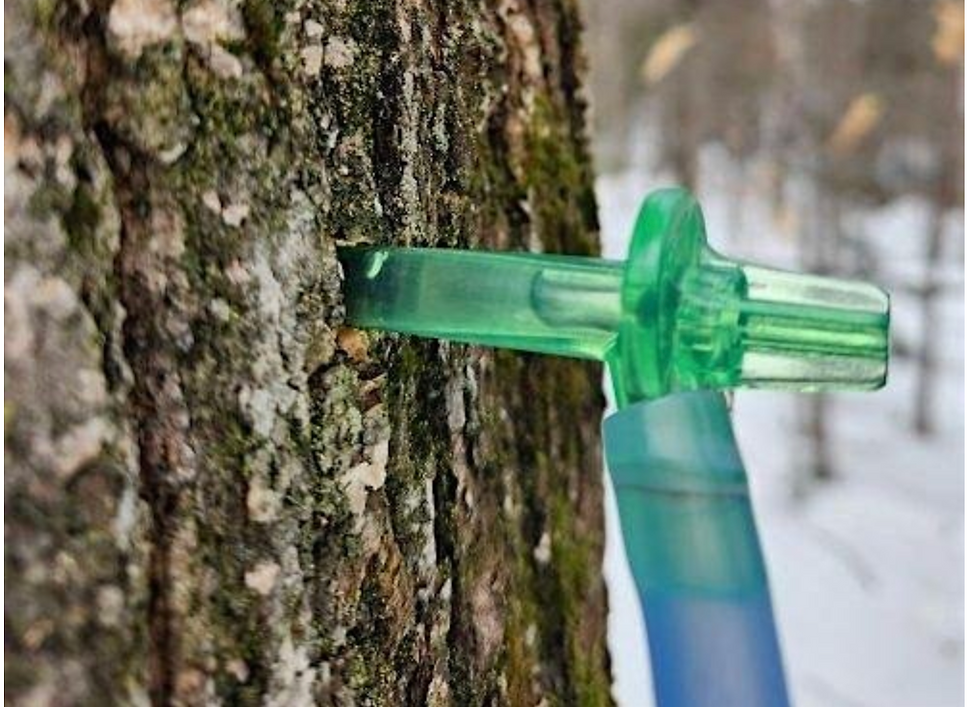
Maple Sugaring in a Changing Climate
Sunday, December 7, 9:30 am – 4:00 pmUniversity of Maine, Orono, MEORMonday, January 12, 8:30 am – 3:30 pmGulf of Maine Research Institute, Portland, ME
How is climate change impacting maple syrup production and what can we do to plan for a climate resilient future in the region? Dive into curriculum resources that explore this question through data, hands on activities, taste testing, and knowledge from a range of local experts.


Comments