

Maine Forest Collaborative Mid-March Newsletter
- Rural Aspirations

- Mar 18
- 4 min read

HIGH SCHOOL
Piscataquis students braved the cold and came out with me to help the middle school class collect GPS coordinates for their maple related MFC project! We also geared up and went on our snowshoe field trip to film advertisements for local places in the area for tourists and locals alike to visit.
Telstar students are starting to dive into their challenge for the semester after having the opportunity to see other project examples at the cohort day. They will be providing feedback through scenarios on rules and zoning regulations in unorganized territories for the Land Use Planning Commission.

TCTC students are busy as can be and just competed in Skills Maine, went on an overnight cross country ski trip, and toured Maine Grains in Skowhegan!
Schenck students are deep in the planning stages of an outdoor classroom and outdoor hands-on lesson for 1st graders.
MIDDLE SCHOOL
Piscataquis students are tapping maple trees like crazy, finalized details for a budget for a pancake breakfast at school next month they will be hosting, and are planning their informational video!
Greenville students will be gearing up in April to really get into the trees with their forest health project where they will have different components of teaching others about the importance of forest health in their area.
Tremont students are working on the 4 action components of their project all connected to reduced carbon emission: energy efficiency, salt marsh grass growing, composting & seaweed growing.
In the News

Designing Educational Opportunities that Inspire Youth Aspirations & Strengthen Rural Community Vitality
Check out Rural Aspiration's article featured in this spring's Maine Policy Review!

Island Falls, Maine Reveals Over 3 Million $ Outdoor Rec Plan to Boost Year-Round Tourism & Downtown Revitalization
The project, which is anchored by a significant infrastructure upgrade & substantial expansion of the local trail system aims to revitalize downtown Island Falls and strengthen its economy by drawing visitors throughout the year. -->>> Full article

Maine logging & trucking contributes $534M to economy, study shows
Logging and forest trucking industry added an estimated $1.3 billion to the Northeast region in 2024, with Maine contributing $534 million of that amount, according to a study released this week.->>> Full Article
For Teachers

Maine Science Teachers Association 2026 Conference!
When: Saturday, May 2, 8:00 am – 4:30 pm with optional activities the evening of Friday, May 1.Where: Blueberry Cove 4-H Camp and Learning Center, 22 Blueberry Cove Rd, St. George Registration Rates:
Early Bird MSTA Member — $90.00 (Register by March 15)
Early Bird Non-MSTA Member — $120.00 (Register by March 15)
Earlybird District — $75.00 (This is for a district to register three or more educators to attend at a discounted rate. Please complete the guest information for each attendee.
MSTA Member Registration — $110.00 Available from March 16 through April 26, 2026
Non-member Registration — $140.00

Forests of Maine Teacher Tour!
Jul 06, 2026, 2:00 – Jul 10, 2026, 2:30
Gorman Chairback Lodge & Cabins, 70 Gorman Chairback Rd, Greenville
Spend 5 days at Gorman Chairback Lodge & Cabins in Greenville.
Experience three immersive days touring around the region with stops at conservation areas, live harvest sites, and a forest-product mill.
Learn today's best practices for integrating Forest-based Education in your classroom through two days of interactive workshops.
***Registration is subject to approval by Maine TREE staff.
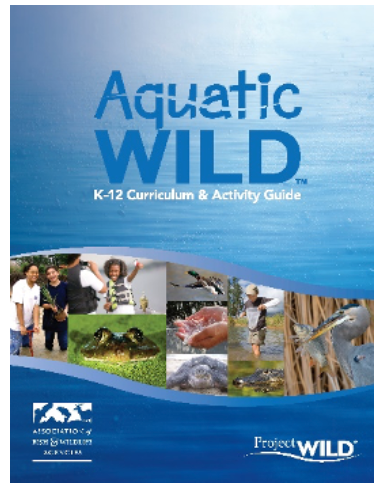
Aquatic Wild!
Water in all its forms is one of the most dramatic of today's arenas in which informed, responsible, and constructive actions are needed. Aquatic WILD uses the simple, successful format of Project WILD activities and professional training workshops but with an emphasis on aquatic wildlife and aquatic ecology.
Aquatic WILD includes 55 suggested lessons, inquiry-based activities, topic units, career connections for each activity, and differentiated learning. The activities complement existing curricula, Maine state standards, and national academic standards.
Date/Time: Tuesday, April 14 from 8:30AM to 3:30PM
Location: Fields Pond Audubon Center - Holden, ME REGISTER\

Offerings through GMRI!
Maple Sugar Season Resources
How are warming temperatures impacting maple syrup production? What can we do to plan for a climate resilient future in the region? Along with Learning Ecosystems Northeast, The Gulf of Maine Research Institute has put together this 2026 Maple Season Educator Resource to support climate and maple-focused learning. Check out the doc for lesson and activity ideas, data sets, background information and more.
Sensemaking Through Place with VR: Virtual Field Trip Information Session (two dates - same session)
March 25 from 3:30 - 4:30 pm EST - Learn more and register here
March 31 from 1:30 - 2:30 pm EST - Learn more and register here
*These info sessions will also give you a preview of what the optional series will look like. If you are curious about the full series that will follow the info sessions, read more here.
Remote Sensing Overview & Applications
April 6 from 3:30 - 4:30 pm EST - Learn more and register here
Grant Writing 101
May 5 from 3:30 - 4:30 pm EST - Learn more and register here

TCI's Invasive Species Learning Lab
(FREE) April 7, 4-5PM
A Free Webinar Series for K–12 Educators, hosted by SubjectToClimate, Maine Environmental Education Association, and The Climate Initiative.
Participants will explore the free Maine Climate Education Hub through the Climate Initiative’s Invasive Species Learning Lab. This module supports educators in teaching foundational concepts related to invasive species and their ecological impacts, facilitates investigation of local case studies, incorporates opportunities for student field data collection and community inquiry, and culminates in a student-designed, community-based action project.Guided by The Climate Initiative's (TCI) Executive Director, Leia Lowery will help participants distinguish between non-native and invasive species and examine their impacts on ecosystems, economies, and communities.


Comments